

When it comes to food packaging, the production environment plays an integral part in maintaining product cleanliness, process stability, and overall quality control.
Because we place such an importance on workshop management throughout our entire production process, we place special focus on its implementation.
From raw material handling and printing through bag making and finished product storage, each step in production is managed according to clear operating standards. We employ dust control measures in key production areas to maintain a cleaner manufacturing environment.
Uniformed Workers With Hair Cover
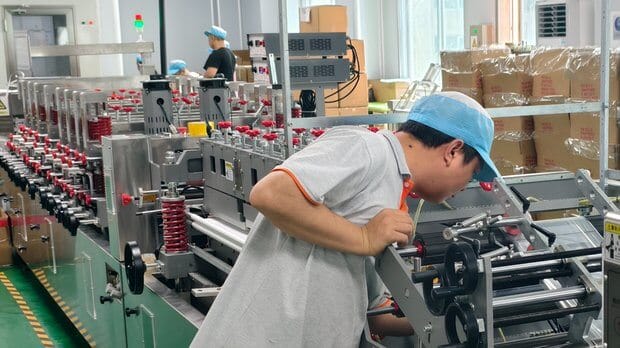
Hair Cover Requirement
Employees in the production workshop must wear dust-proof caps before entry to prevent dandruff and loose hair from contaminating the cleanroom.
Staff Uniforms
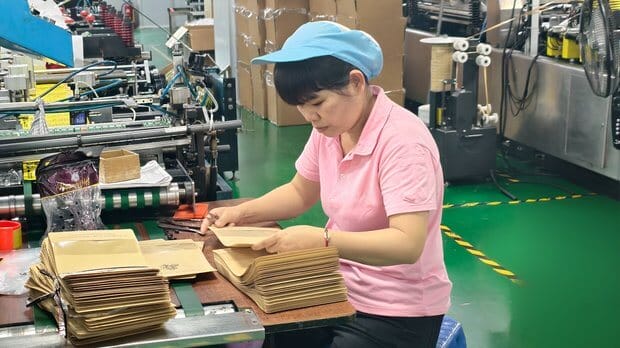
Employees in different work areas wear color-coded uniforms to reflect their roles and responsibilities.
During working hours, all staff must follow the dress code and wear the required uniform properly to help maintain order, safety, and cleanroom discipline.
Steps to Enter the Cleanroom
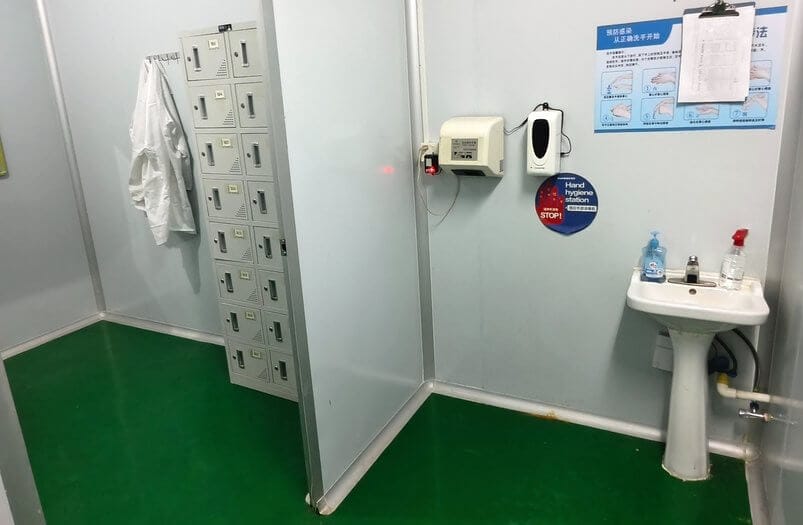
Step 1: Change Clothes, Put on Cap, and Wash Hands
Before entering the cleanroom, employees must first change into designated workwear, put on a protective cap, and wash their hands thoroughly. This step helps reduce dust, hair, and other contaminants from entering the production area.
Proper gowning and hand hygiene are essential to maintaining a clean and controlled environment. All staff are required to follow this procedure carefully before proceeding to the next entry step.
Step 2: Dust Removal in the Air Shower Room
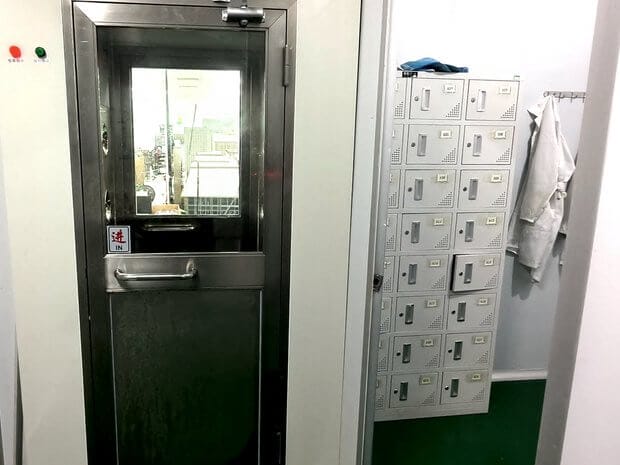
20+ Seconds by 25m/s
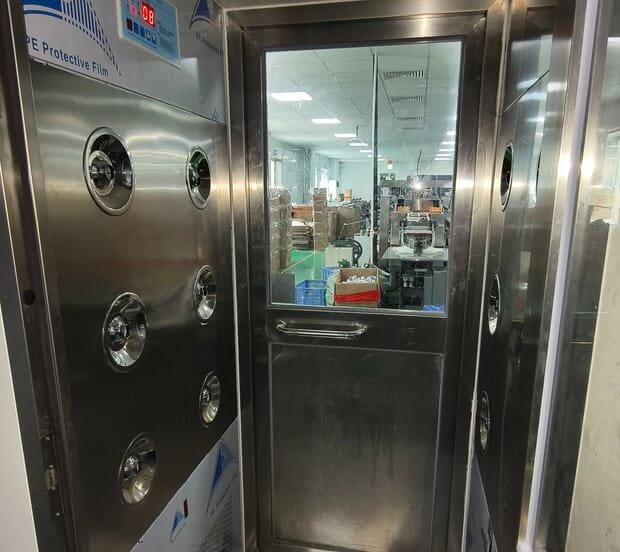
Before entering the cleanroom, all employees must pass through the air shower room for dust removal. The air shower operates at a wind speed of at least 25 m/s, and each employee must remain inside for no less than 20 seconds.
Rotate 360°
During the process, employees are required to rotate their bodies slowly through 360° and raise both arms to ensure that dust-prone areas such as the front, back, and underarms are fully exposed to the high-speed airflow.
Dust Control Procedures for Materials Entering and Leaving the Cleanroom
Dust prevention during material transfer is especially crucial to creating an organized production environment and is therefore paramount to maintaining cleanroom standards. Personnel aren’t the only items entering and leaving a cleanroom on a daily basis – raw materials, packaging materials and production equipment also constantly enter or leave as they come and go from storage facilities or production lines.
To reduce contamination risks, all materials entering or leaving a workshop must follow strict transfer procedures before being allowed in. Thorough cleaning, safe handling and controlled movement help minimize dust, foreign particles and other contaminants, helping ensure both product safety and cleanroom hygiene standards are consistently upheld.
Step 1: Open the Inner Door of the Air Lock
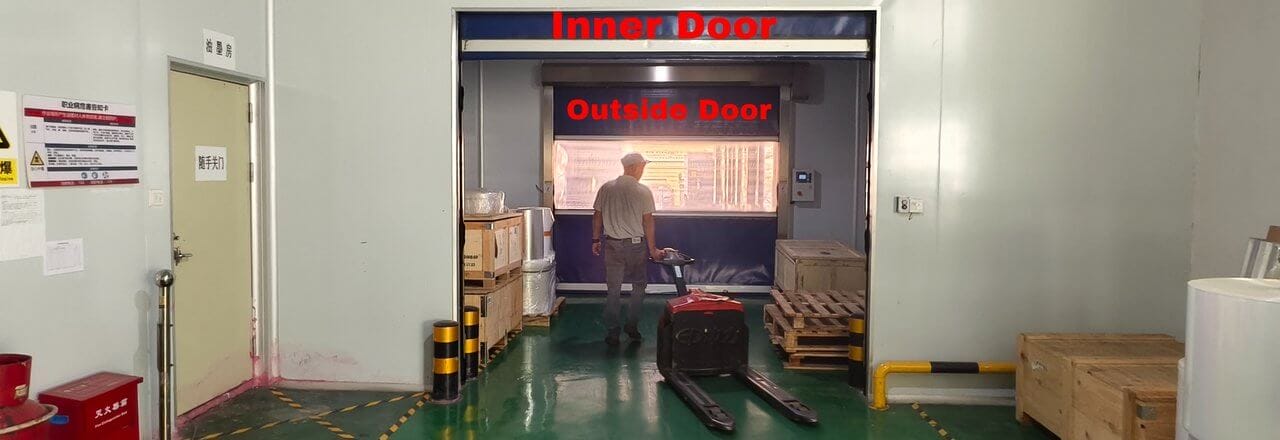
Workers looking to transport finished or raw products in or out of a cleanroom begin by opening the inner door of an airlock and entering its chamber – this transition area helps create an additional barrier against dust particles entering through direct entry points into the cleanroom, thus decreasing direct influx.
By passing materials through an air lock first, materials can be transferred more safely, helping maintain cleanroom cleanliness and safeguard product quality during daily production operations.
Step 2: Close the Inner Door of the Air Lock and Open the Outer Door
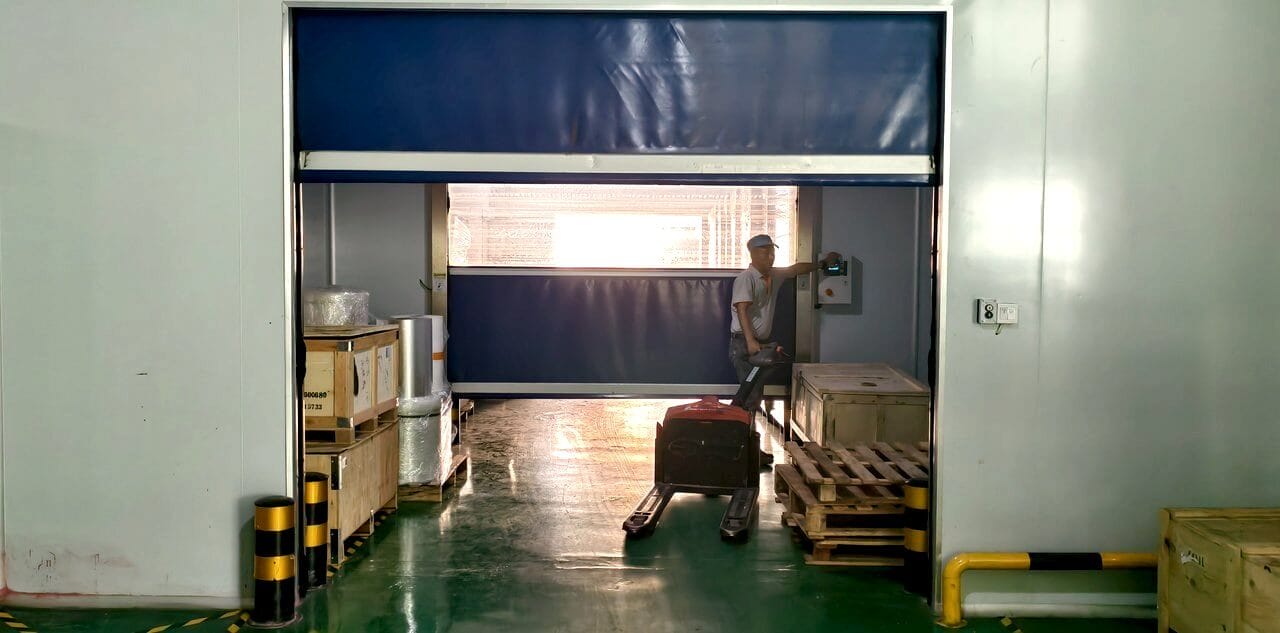
After entering the air lock, the inner door must be closed before the outer door is opened. Once the materials are moved out through the outer door, the outer door should be closed immediately. This step helps maintain separation between the cleanroom and the outside environment.
By controlling the opening and closing of both doors in sequence, the air lock reduces the chance of dust, airborne particles, and external contaminants entering the cleanroom. It is an essential procedure for protecting product cleanliness and maintaining hygiene standards during material transfer.
Standard Packing Way of Flexible Packaging
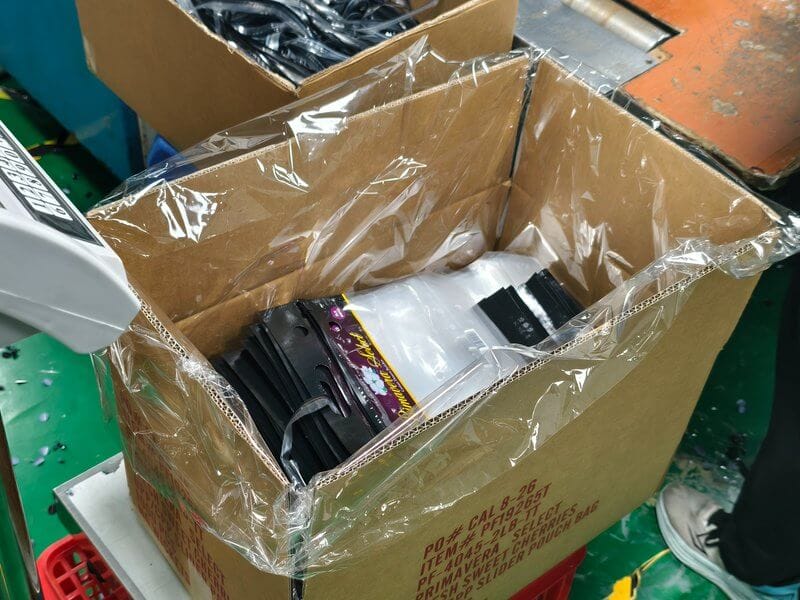
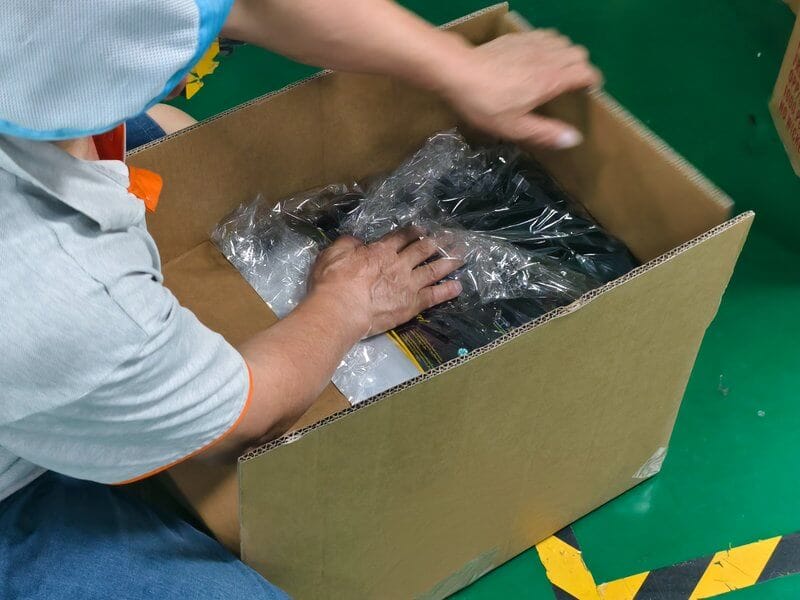
Although the production takes place in a cleanroom, extra protection is still necessary to prevent dust, moisture, and other contaminants from entering cartons and packaging bags during transportation. To ensure product cleanliness throughout the entire shipping process, all bags are packed in a thick PE inner bag and then placed in a strong export carton.
This standard packaging method provides double protection, helping keep the products clean, dry, and well protected during storage, handling, and delivery.
Functional Area Management in the Cleanroom
Our cleanroom is strictly managed in accordance with GB 31603-2015, National Food Safety Standard – General Hygienic Regulation for the Production of Food Contact Materials and Articles. The workshop is divided into different functional areas to ensure an orderly production flow and effective hygiene control.
All materials are placed and handled in full compliance with operating standards, helping prevent cross-contamination and maintain a clean, safe, and well-organized production environment throughout the entire process.
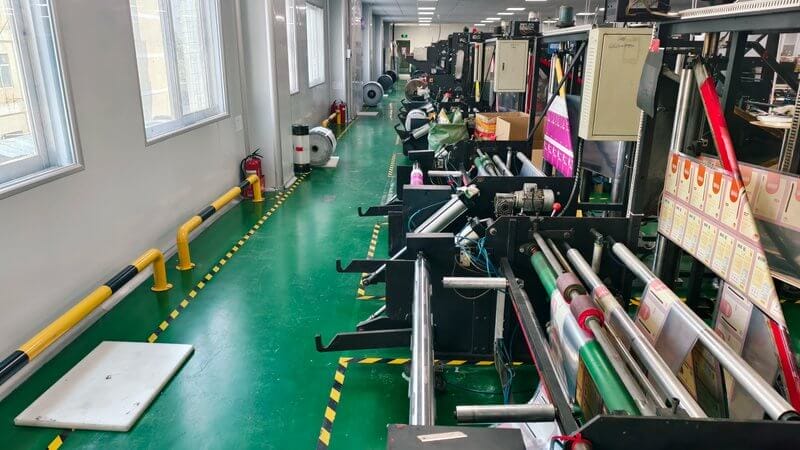
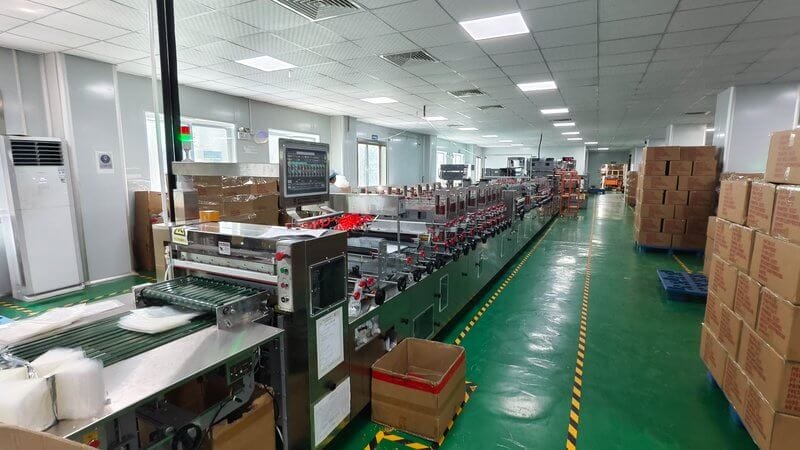
Fully Enclosed Isolated Cleanroom
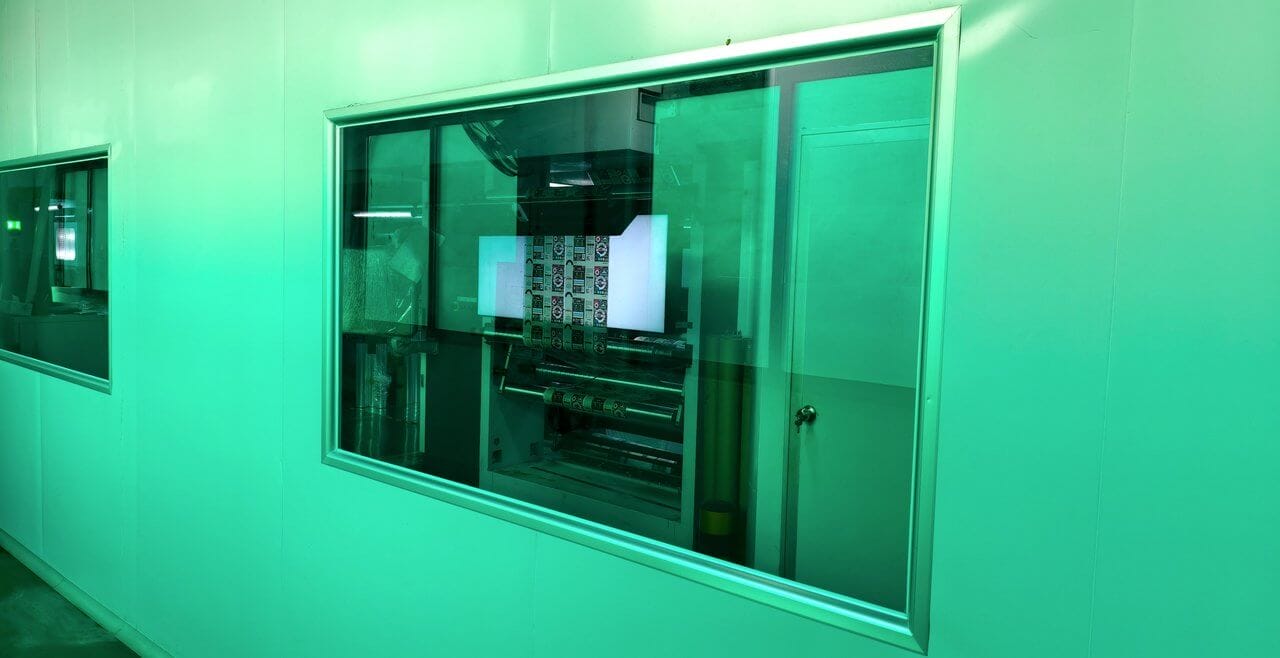
To maintain a dust-free production environment, we have installed solid partition walls along the inner sides of the building around both the bag-making workshop and the printing workshop. This fully enclosed isolation design helps separate the production areas from external interference and supports stricter cleanroom control throughout daily operations.
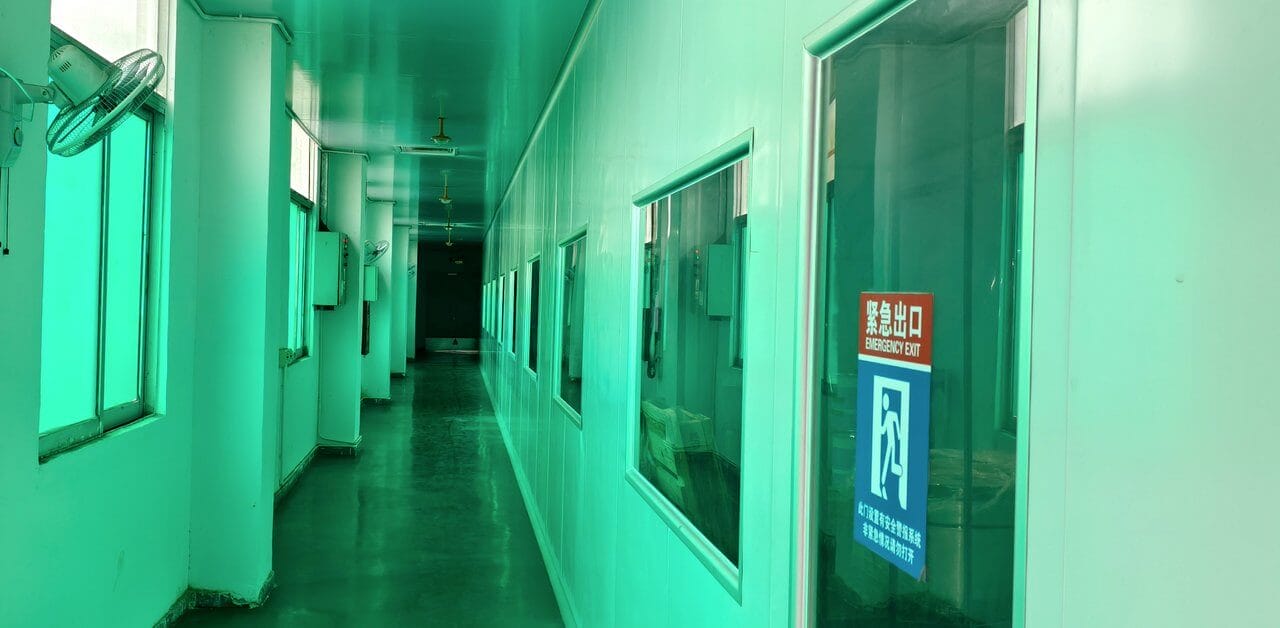
At the same time, to make customer visits more convenient without affecting cleanroom management, we have added transparent viewing windows to the partition walls. Visitors can clearly observe our production environment, equipment, and on-site management from different positions outside the workshop, without entering the manufacturing area. This allows us to maintain hygiene standards while offering customers a direct and transparent view of our operations.
How Finished Pouches Are Stored Before Delivery
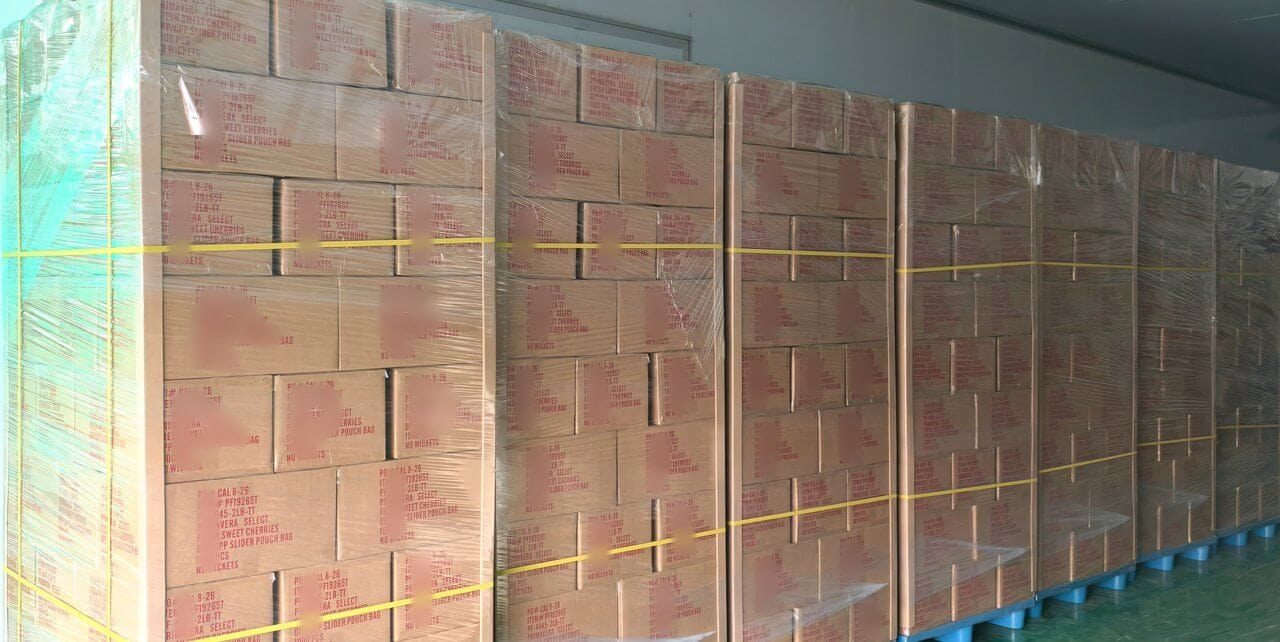
Finished bags are not always shipped immediately after production. In some cases, we need to wait for the customer’s shipping schedule, while for mixed orders, shipment may only be arranged after all items are completed. For this reason, proper storage of finished goods before dispatch is just as important as production itself.
To keep the storage environment clean and hygienic, each carton is additionally wrapped with a thick layer of stretch film. This extra protection helps prevent dust and insects from reaching the products, while also keeping the cartons stable and secure during storage, reducing the risk of deformation or damage caused by uneven stacking.
Real Manufacturer
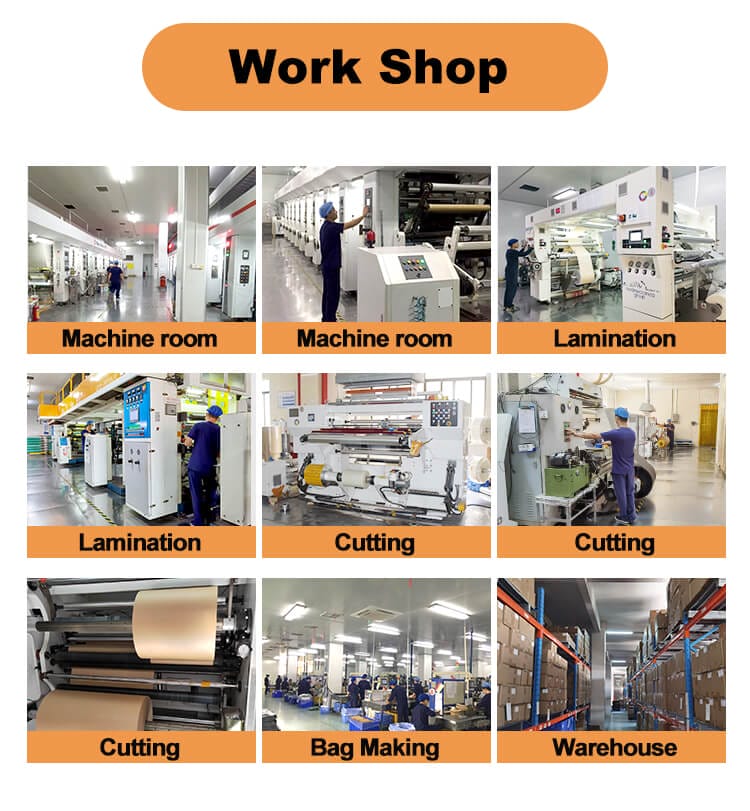
Ouma is a leading flexible packaging manufacturer that has been serving the industry since 2000, with 100% self-owned plants.
With years of experience and expertise, Ouma is committed to providing high-quality and innovative packaging solutions to meet the unique needs of our customers.
Ouma offers a wide range of flexible packaging products, including Mylar bags, stand-up pouches, flat bottom pouches, retort pouches, flat pouches, and more.
These products are available in a variety of sizes, shapes, and colors, and can be customized to fit the specific needs of each customer.
At Ouma, quality and customer satisfaction are top priorities. Ouma uses only the highest quality materials and employs strict quality control measures to ensure that our products meet the highest standards of excellence.